
Announcements
As if register in the Single Registry? Known as CadÚnico, it plays a fundamental role in coordinating and identifying families facing delicate situations of social vulnerability.
Acting as the starting point for various forms of social assistance, the registration process is of crucial importance for the assessment and provision of aid aimed at promoting the social inclusion of the most fragile families.
Below, you can find information on how to register for the Cadastro Único, so stay with us until the end of this article!
What is the Single Registry for?
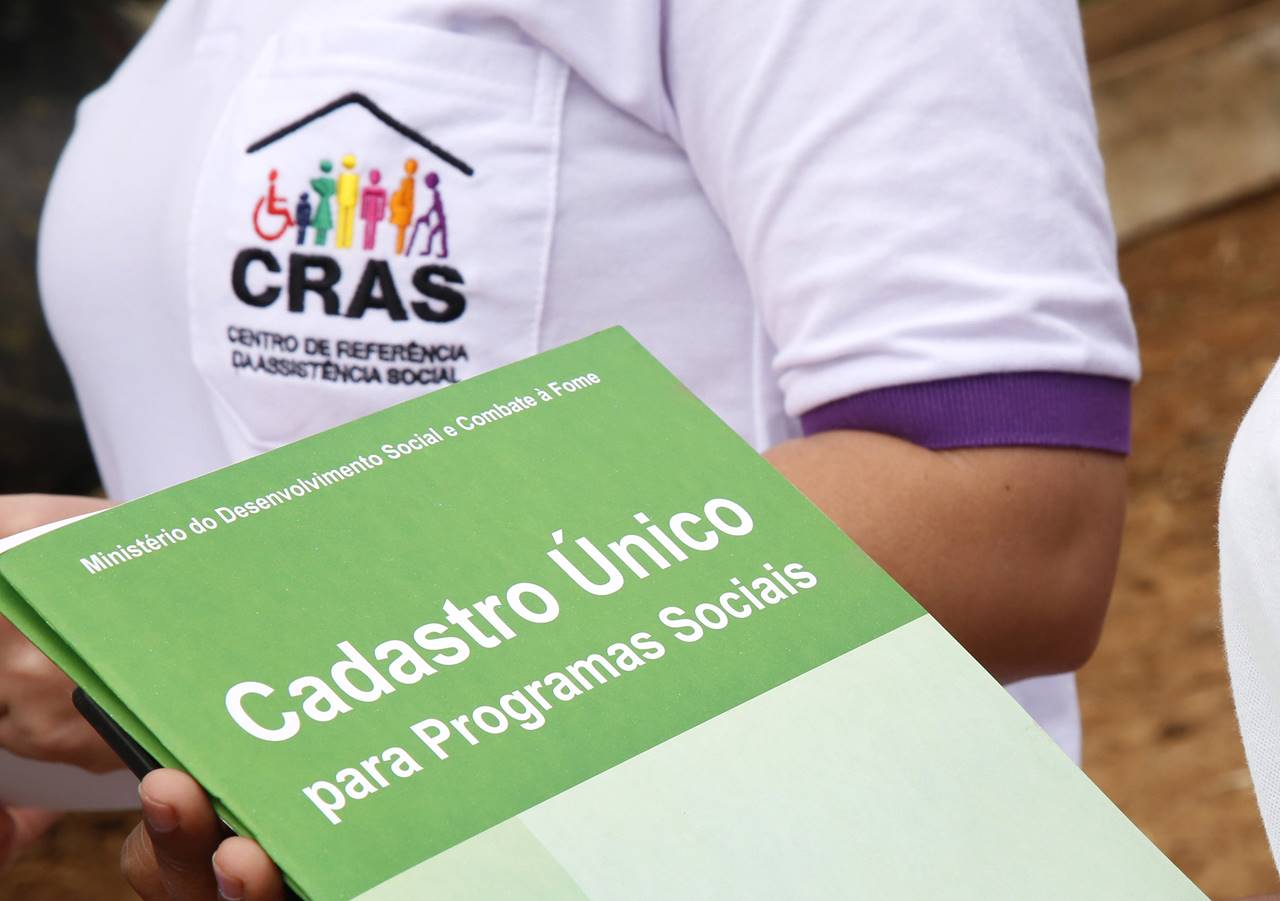
The Single Registry (CadÚnico) represents a government system designed to identify low-income families in Brazilian territory. The administration of this system is the responsibility of municipal authorities.
Registration plays the role of a gateway to obtaining social support made available by the central government.
Thus, families experiencing conditions of need need to register with CadÚnico in order to become eligible for social assistance programs, such as Bolsa Família, Gas Aid, Popular Telephone, between others.
In this sense, registering with CadÚnico constitutes the initial step towards joining any federal resource transfer program.
Despite being a mandatory requirement to enjoy government benefits, it is important to note that registration in the Single Registry does not automatically guarantee eligibility or approval in said programs.
A variety of initiatives make use of the data present in the Single Registry. Below, we present the main aids that can be accessed through the information available in the Single Registry.
Social benefits linked to the Single Registry
See below some of the aids that have the Single Registry as a starting point:
- Bolsa Família (formerly known as Auxílio Brasil)
- Gas Aid
- Electricity Social Tariff Program
- Fee Exemptions in Public Tenders
- Young Identity (Young ID)
- Elderly card
- Green and Yellow House Initiative
- Popular Telephone
- Green Grant Program
It is important to highlight that each of these aids has specific requirements and criteria. However, updated registration in the Single Registry remains a fundamental requirement common to all of them.
What are the requirements to register for the Single Registry?
Individuals who have not yet registered and meet the criteria mentioned below can be included in the Single Registry:
- Assume the role of Family Responsible in the home (preferably, focusing on women);
- Have a maximum monthly income per individual corresponding to half the minimum wage;
- Have an income above this limit, but demonstrate an interest in obtaining some benefit linked to the Single Registry.
However, it is important to highlight again that the records are thoroughly evaluated, and assistance is only available to those who meet the established requirements.
How can I check the information in the Single Registry?
To access the details present when registering for the Cadastro Único, you have the option of using the online portal or the dedicated CadÚnico application.
Within these means, you can choose between the alternatives “Consultation by CPF”, “Simple consultation” or “Complete consultation”. Simply enter the required data to proceed.
In addition, you also have the alternative of making inquiries in the Single Registry using the telephone numbers provided by the Ministry of Citizenship: 121 or 0800 707 2003.
It is important to keep in mind that it is necessary to keep your registration updated in the Single Registry at least every two years or whenever changes occur in the family group or registered data.
If you would like to continue to stay informed about social assistance programs through our resources, sign up using the form below to receive our weekly highlights straight to your email inbox.
Conclusion
The Single Registry proves to be a vital resource for implementing effective social policies.
By centralizing information about low-income families, it makes it possible to identify and target benefits more precisely.
This tool not only facilitates access to assistance programs, but also promotes constant updating of data, ensuring the adaptation of policies to changes in family circumstances.
With its ability to reflect socioeconomic dynamics, when registering in the Single Registry it is consolidated as an essential pillar in the search for equity and social inclusion.
