
Announcements
In a global scenario of constant socioeconomic challenges, social assistance programs play a vital role in mitigating disparities and promoting the well-being of the population.
One of these prominent programs is Auxílio Gás, an initiative that aims to alleviate the financial burden of low-income families by subsidizing part of the costs of cooking gas.
In this article, we will explore in detail the functioning, benefits, challenges and social impact of Auxílio Gás.
What is Gas Aid?
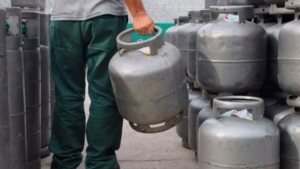
O Gas Aid is a social assistance program implemented by the government with the aim of offering direct financial support to low-income families, enabling them to access an essential resource: cooking gas.
The idea behind this assistance is to alleviate the financial burden on families who often have to choose between spending a significant portion of their income on purchasing gas or resorting to less safe methods of preparing food.
Benefits for Low Income Families
Gas Aid plays a crucial role in improving the quality of life of low-income families. By subsidizing part of the costs of cooking gas, the program allows these families to have access to a cleaner and more efficient source for cooking, with the aim of promoting health and well-being.
Furthermore, the aid reduces the economic vulnerability of these families, allowing them to allocate financial resources to other basic needs, such as education and health.
Program Challenges and Limitations
Despite the clear benefits that Gas Aid offers, there are challenges and limitations that need to be considered. One of the main challenges is the effectiveness in identifying and selecting beneficiaries.
Ensuring that aid reaches families who really need it can be complex and prone to errors. Furthermore, continued dependence on assistance programs can, in some cases, discourage the search for employment and financial independence.
Socioeconomic and Environmental Impact
Gas Aid not only has a direct impact on beneficiary families, but also influences broader socioeconomic and environmental aspects.
Reducing poverty and inequality contributes to a more stable social environment, while promoting the use of cooking gas over more polluting alternatives helps to preserve the environment and public health.
Furthermore, the increase in the purchasing power of low-income families boosts the demand for goods and services, boosting the local economy.
Future Perspectives and Program Expansion
Looking to the future, the expansion and continued improvement of Auxílio Gás are key to ensuring that more families benefit from this program.
Investing in more accurate identification and selection technologies, as well as financial education, can improve program effectiveness and empower beneficiaries.
Furthermore, considering sustainable approaches to reduce dependence on subsidies in the long term is essential.
Conclusion
Auxílio Gás is more than a simple social assistance program; It is a catalyst for positive change in the lives of low-income families and society as a whole.
By alleviating the financial burden related to access to cooking gas, the program not only improves families' living conditions, but also contributes to the promotion of social equality, public health and environmental sustainability.
Therefore, investing in the improvement and expansion of Auxílio Gás is a significant step towards a more equitable and prosperous future for all.
