
Announcements
Did you know it's possible to set up a vegetable garden at home? Growing your own greenery is all well and good: fresh food, savings and even a touch of green to add to your decor.
But with so many options and tips out there, the question arises: how can you best start a vegetable garden at home without breaking the budget?
We'll help you out! In this practical guide, you'll find all the main steps you need to get started right now!
Read also:
How to plant your own vegetable garden at home?
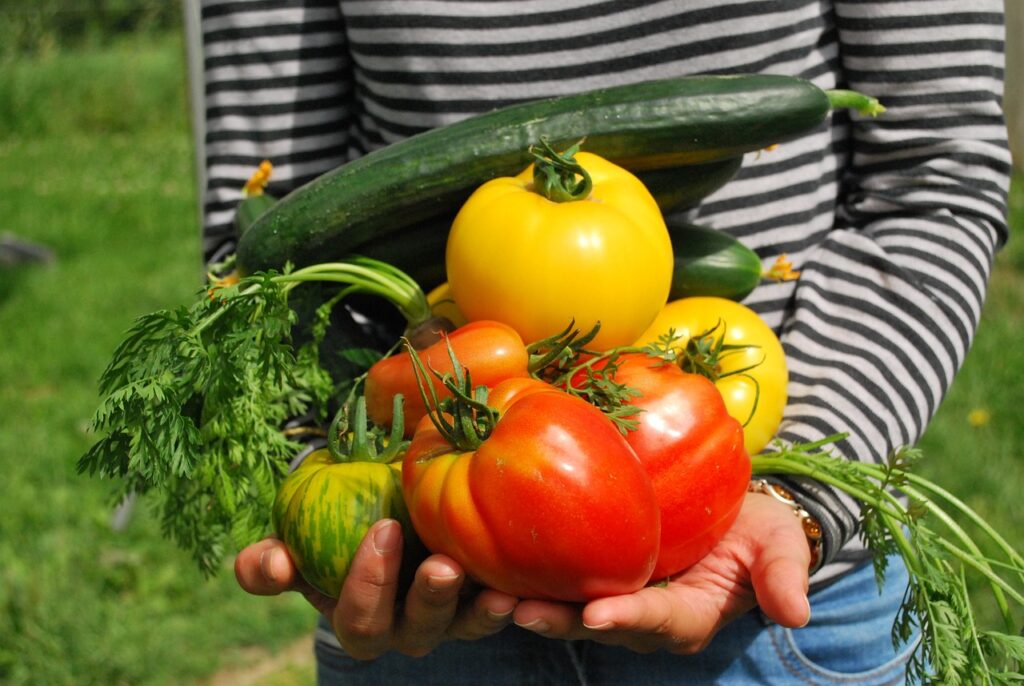
1. choose the ideal location
- Light: most vegetables need at least 6 hours of sun a day. Observe the brightness of your space and choose the most suitable spot;
- Space: Evaluate the size of your garden and remember that plants need space to grow. Start with a small bed if you don't have much space;
- Accessibility: choose a location that is easy to access for watering, fertilizing and harvesting.
2. Prepare the soil
- Remove weeds: they compete with plants for water and nutrients;
- Add organic matter: Organic compost, worm humus or tanned manure are great options for enriching the soil;
- Mix well: use a hoe or spade to ensure that the organic matter is well incorporated into the soil.
3. Choose your plants
- Climate: you need to take into account the specific climate of your region in order to choose plants that adapt to it;
- Frequency of consumption: grow the vegetables you consume the most to ensure freshness and flavor;
- Space available: choose plants that suit the size of your flower bed.
4. Planting
- Seeds: follow the instructions on the package for planting the seeds;
- Saplings: make holes in the soil twice the size of the seedling and plant it carefully;
- Irrigation: water the plants soon after planting to ensure that they adapt to the new environment.
5. Care
- Watering: water the plants regularly, according to the needs of each species;
- Fertilization: fertilize every 15 days with organic fertilizer;
- Pest and disease control: check the plants regularly and use natural methods to control pests and diseases.
6. Harvesting
- Harvest the vegetables at the right time: each species has an ideal harvest time;
- Eat fresh food: enjoy the taste and nutrients of fresh food from your garden.
Extra tips
- Use recycled materials: PET bottles, cans and wooden boxes can be used to create beds and pots for your vegetable garden;
- Compost your organic waste: Food and vegetable waste can be turned into organic fertilizer for your garden;
- Research and learn: there are many books, videos and websites with information on how to grow a vegetable garden at home. And there are apps that help you see what the plants need and how to look after your garden, such as Plantlt
With a little planning and care, you'll have a beautiful and productive vegetable garden at home! Start planting today and enjoy the benefits of having fresh, healthy food at your disposal!
Tips for saving water
Do you want to have a beautiful home garden full of life without spending tons of money? Then come with us! Here are some tips for saving water and making the most of your food:
First of all, forget the hose! Use drip irrigation or water with perforated PET bottles. The water goes straight to the roots and you don't waste anything.
In addition, cover the soil with straw or other organic materials, as this helps the soil retain moisture and you don't need to water as much.
Take advantage and use the leaves of the plants to make delicious and nutritious salads, make preserves and homemade seasonings with your fresh spices.
See also the Free Solar Energy Kit: here! Do you have any questions about setting up your home garden? Leave them in the comments below!
